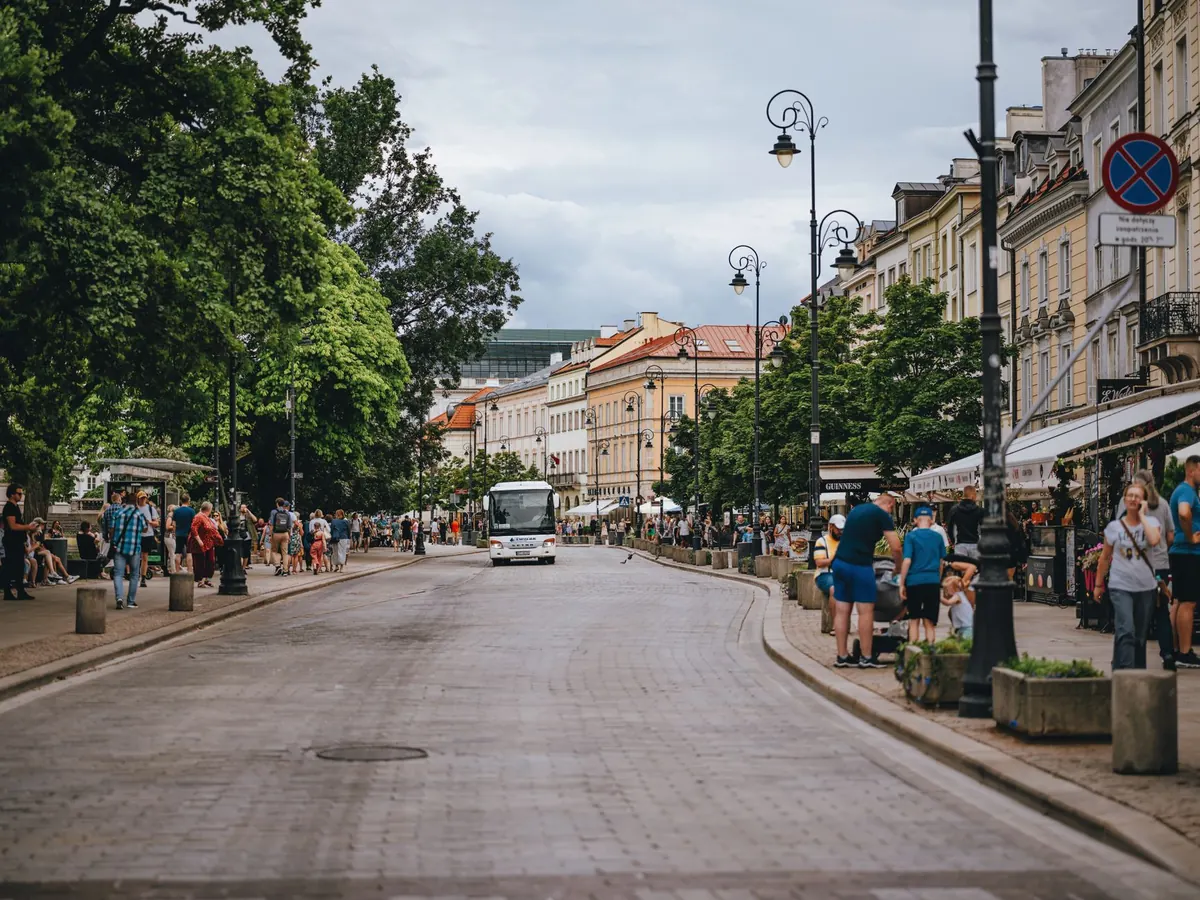


A block party is one of the few things that can turn a street of familiar faces into an actual neighborhood. It is also, quietly, a small logistics project: a permit, a plan for the cars, a way to feed sixty people without anyone spending their whole Saturday at a grill, and a cleanup crew that shows up when everyone else has gone inside.
The order of operations matters more than the details. Get the date, the paperwork, and the insurance settled first, and the fun part — the food, the music, the folding chairs in the middle of the road — mostly takes care of itself. Here is how to get from "someone should organize something" to a Saturday you want to repeat next summer.
Start With Three or Four Willing Neighbors
One person should not plan this alone. Find two or three households that will split the work, then knock on doors along the block you have in mind. Pick a date that avoids long weekends and local school events, and set a rain date at the same time — postponing is much easier when the backup is already agreed on.
Four to eight in the evening suits most blocks: it is late enough to catch people after work and early enough to end before anyone with an early shift is annoyed. Ask the whole block, including the neighbors who will not attend. They still need to move their cars, and a party that feels imposed on rather than offered to them is where most complaints begin.
Find Out What Your City Actually Requires
Requirements for block parties vary widely between municipalities, so the first call is to your city or township clerk, or whoever handles special events and street use. Ask a short, specific list of questions:
- Is a street-closure permit required, and how far in advance must it be filed?
- Are signatures or written consent needed from residents on the block?
- Does the city provide barricades, or must you rent them?
- What are the noise limits and quiet hours for amplified sound?
- Are there restrictions on alcohol, food sales, bounce houses, or generators?
- Is proof of liability insurance required, and in what form?
Ask about fees as well, and whether the city reduces or waives them for neighborhood gatherings — many do, but only if you ask. Write down the name of the person you speak with and the date. That note will save you an hour the next time you do this.
The Street-Closure Application, Step by Step
- Define the block. Keep it to one block between two cross streets and leave the intersections clear so emergency vehicles and through traffic can still move.
- Collect neighbor consent. Go door to door with a simple sign-up sheet: name, address, phone or email, and a yes or no on the closure. Note any households with mobility needs.
- File early. Thirty to sixty days ahead is a reasonable target, but confirm the actual deadline with the clerk rather than guessing.
- Be precise on the form. Exact hours, exact date, rain date, block boundaries, and a contact person who will answer the phone that day.
- Arrange parking. Tell neighbors in writing when cars must be moved, where to park instead, and how long the closure lasts.
- Keep the approval with you. Carry a copy in your pocket on the day, plus the phone number of whoever issued it.
Insurance: The Question Most Organizers Skip
If you are closing a public street, there is a decent chance the city will want proof of liability coverage. Ask the clerk exactly what is required. Some municipalities cover permitted block parties under their own policy; others accept an endorsement on a homeowner's policy; still others ask for a short-term special event liability policy bought through an insurance agent. Those policies are written for a specific date, address, headcount, and time window, so have those details ready before you call.
If the city needs to be listed on the certificate, get the exact wording from the clerk. It is worth asking your agent what your existing homeowners or renters policy does and does not cover for an event on the street, since a personal policy may exclude organized gatherings.
This is general guidance, not legal or insurance advice. Confirm the specifics with your city office and, for coverage questions, with a licensed agent.
Money, Food, and the Details People Forget
Keep money simple. A potluck with a sign-up sheet, a shared budget for ice and paper goods, or a small voluntary contribution all work. Skip anything that looks like ticket sales — charging admission can trigger food, licensing, and tax rules you do not want to deal with.
- Food safety: keep cold dishes on ice, hot food hot, and never leave perishables sitting in the sun for hours.
- Grills: place them away from buildings and cars, and keep kids' games on the other side of the block.
- Water and shade: a cooler of water and a pop-up canopy do more for a party than anything else on this list.
- Restrooms: ask a nearby neighbor in advance, or rent a portable unit if the crowd is large.
- Trash: label bins for recycling and landfill, and put them where people can actually find them.
- Kids and pets: a chalk area, a sprinkler, or a sidewalk table of games keeps small children busy and out of the street.
- Accessibility: keep a clear path to the food table for strollers, walkers, and wheelchairs.
- Small stuff: name tags, a first aid kit, tape, a phone charger, and a printed schedule taped to a table.
Day-Of Rhythm and Cleanup
Give the day a loose shape. Setup at two, grills going by four, the group photo at six while everyone is still there, music down by eight-thirty. Assign jobs out loud at the start so nobody has to guess: two people on the street ends, one on the grill, one refilling water and ice, one watching the kids' zone.
Cleanup is the part that decides whether your neighbors say yes again next year. Sweep the whole block, not just the space you used. Check the parkway and the gutters for bottle caps and napkins. Return borrowed barricades, chairs, and coolers the same weekend. Deliver a short thank-you note, or post in the neighborhood group, naming the people who helped — it makes recruiting far easier next June.
Be mindful, too, of the neighbor who works nights, the baby sleeping two doors down, and the dog who does not enjoy a crowd. Telling them in advance that the music ends at eight-thirty costs nothing and buys a lot of goodwill.
Write It Down and Do It Again
Within a week, put the whole thing on one page: the permit deadline you actually hit, the names and numbers of city contacts, what you rented, what you borrowed, how many people came, and what you would change. Hand that file to whoever organizes next year, and put a tentative date on the calendar before everyone forgets how much work it was.
Blocks that hold a party every summer tend to keep holding them, because the second year is mostly copying the first. Start with the permit call this week, and by August you can be standing in the middle of your own street with a plate of food and nowhere to be.
Photo: cecigre / Pixabay