

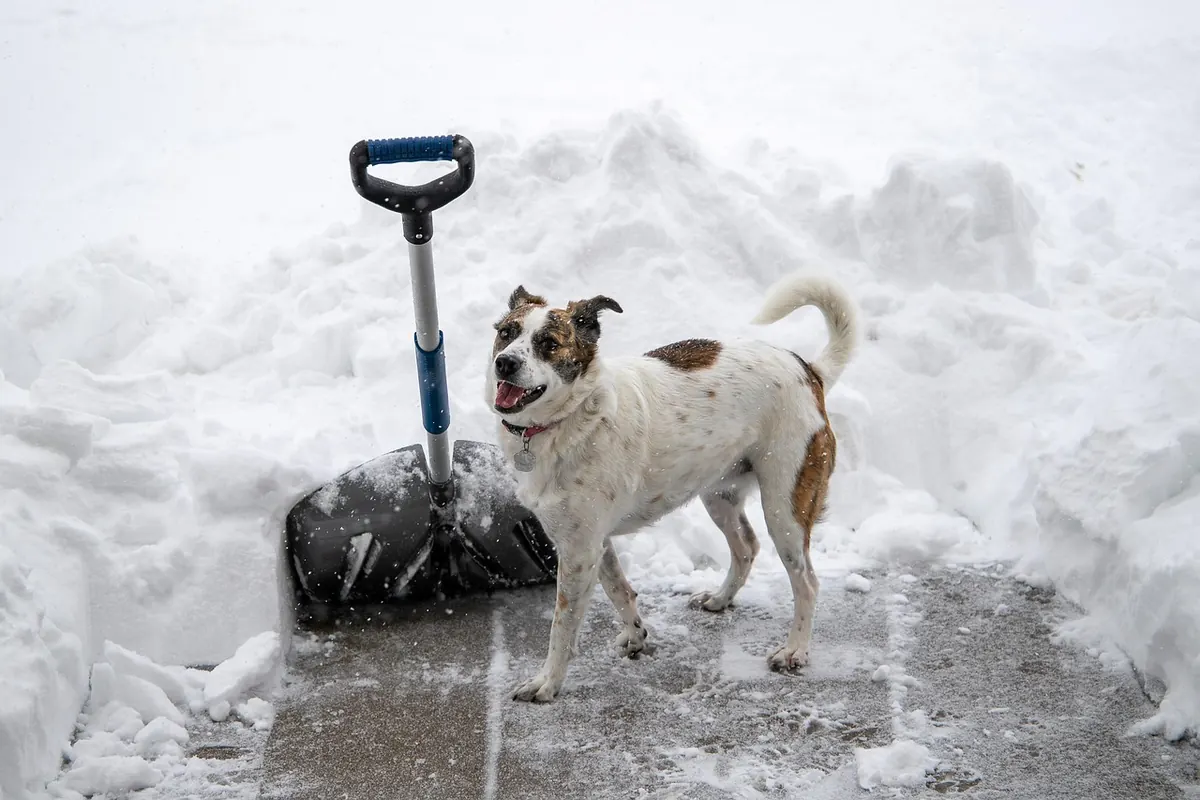
The first hard freeze doesn't announce itself. It shows up as a thin sheet of ice on the porch step, a faucet that sputters before it runs, or a dog who takes one look at the yard and turns around. Elmwood has seen enough of those mornings that most of us know the difference between a house that was ready and one that spent the weekend with a hair dryer and a space heater. Almost everything below can be done in a single afternoon, and none of it requires a contractor — though a few items are worth a phone call if you're not sure.
Start With the Pipes
A burst pipe is the most expensive thing a freeze can do to a house, and the damage usually starts in places nobody looks: crawlspaces, unheated basements, garages, the wall behind a kitchen sink, and the outdoor spigot you forgot to drain in October.
Insulate what you can reach
Foam pipe sleeves are cheap and take minutes to install on exposed runs. Wrap the lines in the crawlspace, along the rim joist, and anywhere a pipe passes through an exterior wall. If a pipe has frozen before, it will freeze again — that's the spot for heat cable, installed and plugged in exactly as the manufacturer describes.
Seal the drafts, too. Cold air reaching a pipe matters as much as insulation around it. A tube of caulk and a can of spray foam around the holes where wires and pipes enter from outside will do more than another layer of wrap.
Handle the outdoors
- Disconnect every garden hose, drain it, and store it where it won't collect water.
- If you have an interior shutoff for outdoor spigots, close it, then open the outside spigot so whatever is left drains out.
- Cover hose bibs with a foam faucet cover or an insulated bag.
- Clear the gutters and make sure downspouts carry water away from the foundation. Ice that backs up against the house becomes a spring basement problem.
Find your shutoff before you need it
Everyone old enough to stay home alone should know where the main water shutoff is and how to turn it. Try it once now. A valve that hasn't moved in a decade often won't move at two in the morning with water running down the hallway.
When a pipe does freeze, open the nearest faucet and warm the pipe gently — a hair dryer, a heat lamp, towels soaked in hot water. No open flame, no torch. Watch for leaks as it thaws. If you can't find the shutoff, or the frozen section is buried inside a wall, call a licensed plumber instead of improvising.
Sidewalks, Steps, and Snow Removal
Rules vary by town, but in most places the sidewalk in front of your house is the property owner's responsibility and the street belongs to the city. Clear your walk early and often. Fresh snow is light; the wet, packed snow a plow leaves at the end of a driveway is heavy enough to hurt your back and dangerous underfoot for anyone with a cane or a stroller.
- Shovel in layers. Two short sessions beat one long one, especially after a heavy, wet snowfall.
- Go easy on the salt. Rock salt chews up concrete, kills grass, and burns paws. Sand or kitty litter gives traction without the damage, and pet-safe ice melters are widely available.
- Clear the hydrant, the mailbox, and the storm drain. If the fire department ever needs that hydrant, they shouldn't have to dig for it.
- Don't shovel into the street. The plow will push it right back into your driveway apron.
- Check the handrail. A loose rail on icy porch steps is the most common winter injury waiting to happen.
Pets Feel This Weather More Than We Do
Cats and short-haired dogs that spend time outside need a real plan, not a hope that they'll come in when they're cold. Bring them in before the temperature drops, and if a neighborhood cat shelters under your car, knock on the hood before you start the engine — cats climb up there for warmth.
Antifreeze is the quiet hazard of the season. It tastes sweet, and even a small amount is dangerous to pets, so clean up spills immediately and store the jug sealed and out of reach. Road salt and ice melters irritate paws; wipe feet with a warm, damp cloth after walks, and consider booties for dogs who spend real time on treated sidewalks. Metal water bowls left outside freeze fast and can stick to a tongue — use plastic, and check it more than once a day.
Older pets, puppies, and animals with arthritis struggle in the cold. Shorten walks, add a coat for thin-coated breeds, and let them out for quick breaks rather than long ones. If you're ever unsure whether it's safe for your pet, ask your veterinarian.
Build an Outage Kit Before the Lights Go Out
Most winter outages in older neighborhoods last hours, not days — long enough to be miserable if you're hunting for batteries in the dark. Put the following in one bin you can find without a flashlight:
- Working flashlights and a battery lantern, plus spare batteries in the sizes you actually use
- Power banks for phones, charged and checked monthly
- Blankets, sleeping bags, hats, and warm socks for everyone in the house
- Drinking water and shelf-stable food, including a manual can opener
- A week of medications, a first aid kit, and copies of important documents
- A battery or hand-crank weather radio
- Pet food and any pet medication
- Cash in small bills, since card readers don't work without power
Two habits matter as much as the kit. First, keep the freezer and refrigerator closed; food in a closed fridge is generally safe for about four hours, and a full freezer holds its temperature much longer. Second, never run a generator, camp stove, or charcoal grill indoors, in a garage, or near a window. Carbon monoxide kills quietly, and every winter it kills someone who thought the garage counted as outside. If you're wiring a generator into your home, have a licensed electrician install a transfer switch — a cord plugged into an outlet is not a safe shortcut.
Look Out for the Neighbors
Preparation is easier as a block than as a house. Trade phone numbers with the people on either side of you, and make a note of who is elderly, who lives alone, who has medical equipment that needs power, and who travels in winter. A five-minute check-in after a storm does more good than a text thread. If someone on your street can't shovel, that's the afternoon to help — or to point them toward a local service before the next snow.
Do It This Weekend, Not When the Warning Comes
Work through the list in order of what costs the most if it fails: pipes first, then heat and power, then the driveway and the front walk. Mornings in the garage spent wrapping foam around a pipe are dull. They are also the reason you won't be standing in a foot of water in January. And when a repair, an insurance question, or an electrical job goes beyond what you're comfortable doing yourself, get a licensed professional involved early. That's not a failure of preparedness — it's part of it.
Photo: HeartlandMom / Pixabay