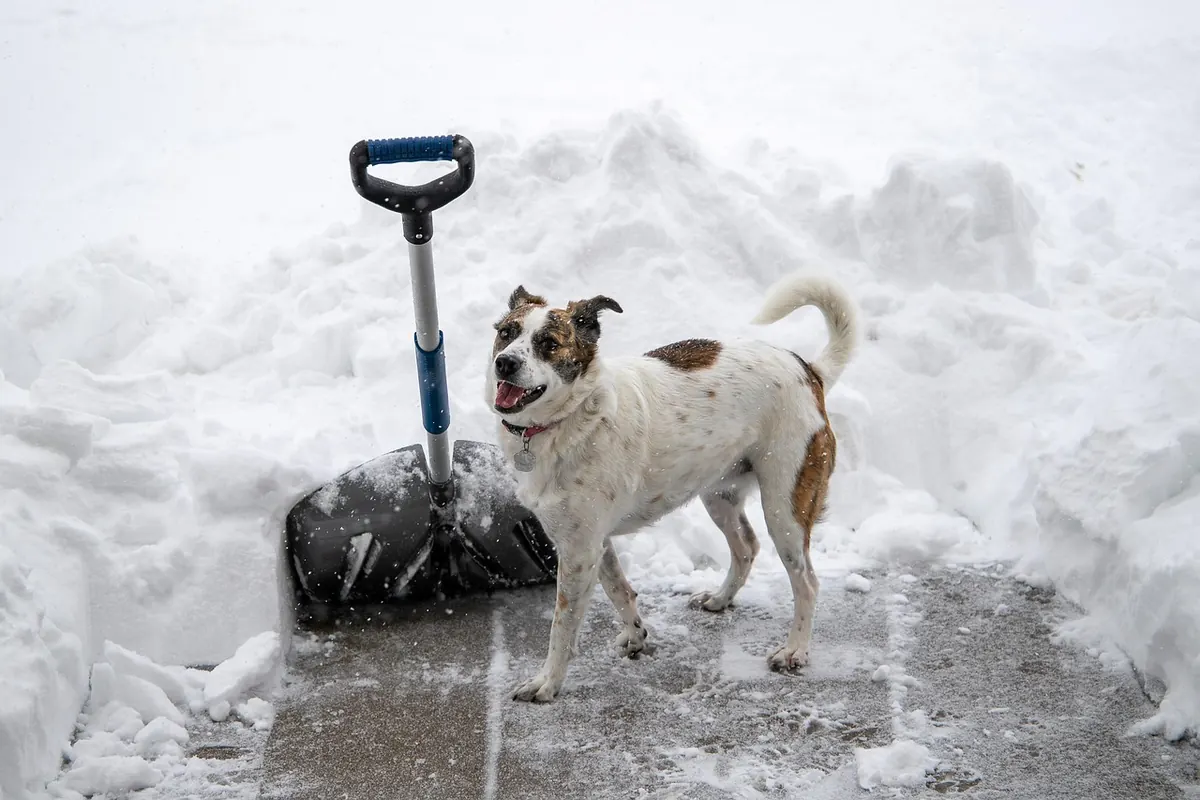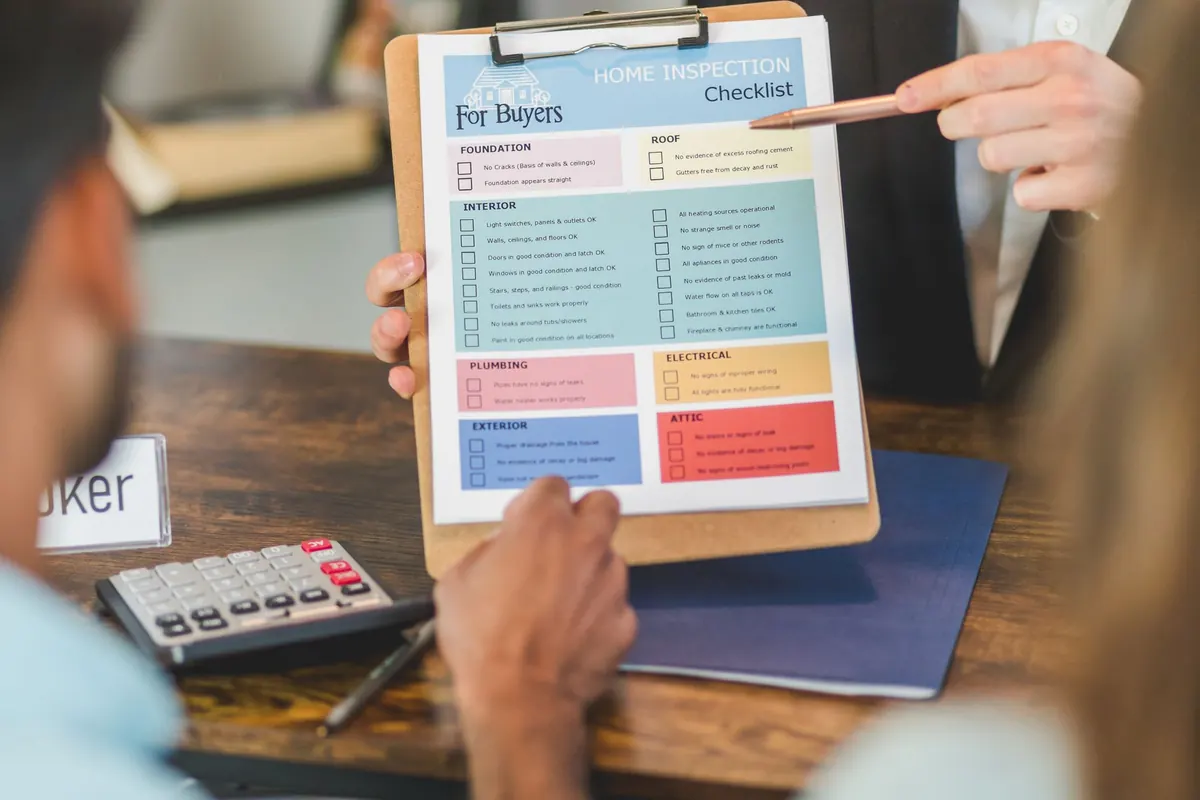

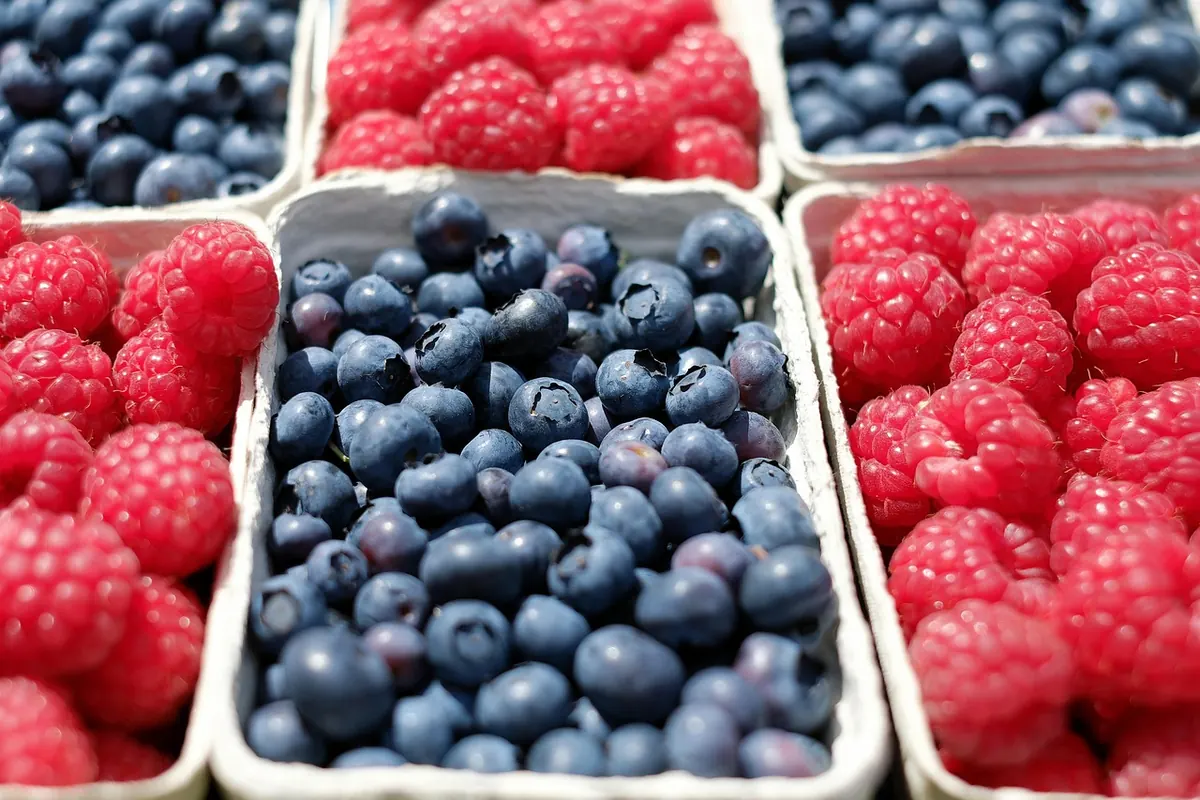
The tents go up before the sun does. By the time the first shoppers drift in from the avenue, the air already smells like coffee, wet cardboard, and the first strawberries of the season. Opening day at the Elmwood Farmers Market is less an errand than a reunion — growers you haven't seen since November, neighbors you usually only pass on the sidewalk, and at least one dog who has clearly been waiting all winter for this.
Whether it's your first season or your fifteenth, the morning goes better with a plan. Here's what to expect from the first hour to the last, where to leave the car, and what changes when the sky doesn't cooperate.
Hours and the Shape of the Morning
The market keeps its usual schedule: gates open at 8 a.m. and vendors pack up around 1 p.m. Hours can shift slightly on opening day, so a thirty-second check of the market's own page or social feed the night before is worth it.
The morning has a rhythm. That first hour belongs to serious cooks, early risers, and anyone who needs to be somewhere else by ten. Lines are short, coffee is hot, and the tables are still full — this is when the limited things go: the first asparagus, the good bread, the eggs.
Between roughly 9:30 and 11:30, it's busy. Aisles get tight, parking gets tighter, and the prepared-food stands build real queues. If you're pushing a stroller or pulling a wagon, come early or come late.
The final hour is quieter. Some growers will start making deals on what's left, though selection thins fast. If you're shopping for volume — a flat of berries for jam, a box of tomatoes for sauce — say so. Most vendors would rather sell it than pack it back into the truck.
What's on the Tables
Lineups change week to week, and some farms alternate Saturdays, so treat any list as a starting point rather than a promise. Opening day usually brings a familiar mix:
- Early produce: asparagus, rhubarb, spinach, spring onions, radishes, salad greens, plus greenhouse tomatoes and cucumbers.
- Bakery: sourdough, rye, pastries, and the cinnamon rolls that disappear first.
- Dairy and eggs: cheese, butter, yogurt, and eggs that move quickly on a Saturday.
- Meat and poultry: often frozen, so plan for the trip home.
- Pantry: honey, jam, preserves, and maple syrup.
- Flowers and plants: cut bouquets plus herb and tomato seedlings for the garden.
- Prepared food: coffee, breakfast sandwiches, tamales or tacos, dumplings, lemonade.
- Makers: soap, candles, ceramics, and small woodwork.
Talk to the growers. They're the best source on what's peaking next week, how to store what you buy, and which variety actually tastes like something. Ask what they'll have in seven days and you'll plan a better trip.
Parking Without the Circling
Parking is the part of market morning people complain about most. A few habits make it easier:
- Arrive before 8:30. Spots nearest the market fill first; by ten, the closest blocks are a slow crawl.
- Read the signs on side streets. Permit rules and two-hour limits are enforced on market days in several blocks, and a ticket ruins a nice morning.
- Park a few blocks out and walk. Five minutes on foot usually beats ten minutes of circling.
- Keep the curb clear. Don't block driveways, crosswalks, or hydrants — vendors load in and out all morning and delivery trucks need the space.
- Skip the car if you can. Bike racks near the entrance fill early, and the bus routes along the avenue drop you within a short walk.
If you're buying a lot, make two trips to the car instead of hauling everything at once. Your shoulders will thank you.
Accessibility, Comfort, and Paying
- The paved main aisle is firm and manageable for wheelchairs, walkers, and strollers. The outer rows sit on grass or gravel and get rough after rain.
- Accessible parking is limited. Arriving at opening helps, and volunteers can usually point you toward the closest drop-off spot.
- Portable restrooms sit at the edge of the market, with at least one accessible unit.
- Shade is scarce by midday. Bring a hat, a water bottle, and sunscreen.
- Service animals are welcome. Pet policies vary, so check posted rules before bringing a dog near food stalls.
- Many vendors take cards and phone payments, but some are cash-only. A few small bills speed up the line.
- SNAP/EBT, WIC, and senior market coupons are accepted at many markets, often with matching funds run from an information table. Ask there about what's accepted that week.
One food-safety habit worth keeping: if you buy meat, dairy, or eggs, bring a cooler bag and get them home within a couple of hours.
Rain Plans: What Happens When the Sky Opens
The market runs rain or shine, so a wet forecast is not a cancellation. A few things change.
- Some vendors stay home. Bakers with paper-wrapped goods and anyone facing a long drive may skip a rainy Saturday. The core produce and prepared-food stands generally show up.
- Aisles get slick. Wear shoes with tread. Grass rows turn to mud; the paved aisle drains better but still puddles.
- Pack for it. Line your tote with a plastic bag. Paper handles and rain don't mix.
- Leave the umbrella in the car. A hooded jacket is easier in a crowded tent.
- Lightning or high wind is the exception. Markets typically pause or close when storms roll through, so check the market's feed before heading out.
Rain has its perks, too: shorter lines, easy parking, and vendors with time to actually talk about what they grew.
Before You Go
A short checklist for Saturday morning:
- Confirm hours and vendor changes on the market's page the night before.
- Bring a tote, a cooler bag, a water bottle, and cash in small bills.
- Wear shoes you don't mind getting dusty or muddy.
- Decide your route in advance — park a few blocks out, or bike, or walk.
- Bring a list, but leave room to improvise. The best purchase is usually the thing you didn't plan on.
Mostly, give yourself more time than you think you need. Opening day is slow on purpose: a conversation at the honey table, a sample you didn't ask for, a neighbor you haven't seen since the last frost. That's the point of it.
Photo: Couleur / Pixabay